This is Google, before Google was invented

I had the absolute pleasure of listening to Dame Wendy Hall on the BBC Podcast ‘A Life Scientific‘ Yesterday and she referred to a 50 minute TV programme from 1990 by Douglas Adams called Hyperland. They also played a small clip, where the ‘Software Agent’ played by Tom Baker came out with the following quote

“I’m a software agent and I only exist as what we call an application in your computer. I have the honour to provide instant access to every piece of information stored digitally, anywhere in the world. Any picture or film, any sound, any book, any statistic, any fact, any connection between anything you care to think of. You have only to tell me and it will be my humble duty to find it for you and present it to you for your interactive pleasure”

That’s Google, but before Google.

You can see it in full here 

But this just proves what a genius Adams was and that Google certainly weren’t the first to come up with the idea for what they do, they just came in and did it better than everyone else. There’s lots to learn from that.

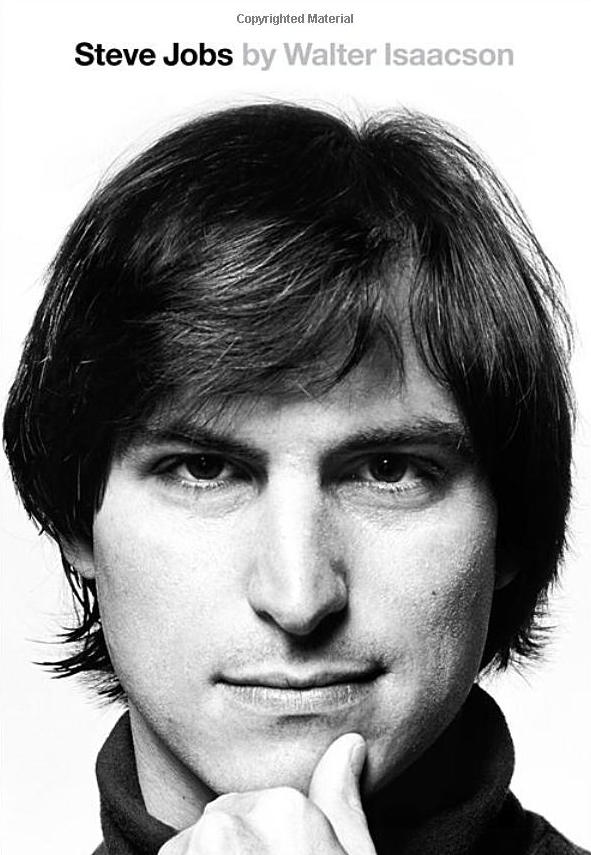
Steve Jobs – by Walter Isaacson – One of the best books I’ve ever read

Steve Jobs by Walter Isaacson

I am a bit of an Apple fan, so when my good pal Andy Hanselman bought me this giant book as a gift, I was looking for the right time to sit down and get started on this 600 page monster. As it happened, this time didn’t seem to be materialising, so I sat down to read it anyway and I’m extremely glad I did as it is completely brilliant and inspirational, if not a little sad. You can buy it here. I recommend you do.

What it does is go through the history of the way the business developed as well as give a real warts and all account of the man himself. there’s no doubt he was a completely obsessive and extraordinarily odd man, but he was also driven by passion for detail and a search for quality like we’ve never seen before.

I advise anyone who ever asks that you have to focus on quality to build a brand, but this is what Jobs did everywhere – throughout every single aspect of the business. And, I’m convinced that this is why Apple has been so successful. That and the fact that he had an amazing design partner in Jony Ives and between them they had incredible vision too.

A few highlights for me.

1. As an understanding of why differentiation is critical – “It’s better to be a pirate than to join the navy”. Most products that come to the market do so in flocks, following a market leader. Apple deliberately and methodically went the other way.

2. On having an enemy for the whole team to focus on – “Throughout his career, Jobs liked to see himself as an enlightened rebel pitted against evil empires, a Jedi warrior of Buddhist samurai fighting the forces of darkness. IBM was the perfect foil. He cast the battle not as mere business competition but as a spiritual struggle”

3. On why the little things matter too – Jobs father had taught him that a drive for perfection meant caring about the craftsmanship, even for the parts unseen. Jobs applied that to the layout of the circuit board inside the Apple II. He rejected the initial design as the lines weren’t straight enough”. This point is again critical. Most businesses do the big things just fine. The ones that go onto become great brands care about the little things too, as this is where differentiation and ultimately, perfection lies.

Anyway, enough from me. read it. It’s an amazing and beautifully written book.

Mountain Dew – Creating a high energy brand

Mountain Dew are trying very hard to create a position in the market for their version of a lifestyle energy drink. I’m sure none of their target audience actually need the extra burst of energy, but they are at least carving out a very clear position when you look at them against the likes of Red Bull, Monster Energy and more recently, No fear.  Mountain Dew is owned by PepsiCo, so they have the budgets to do great stuff, but I still love the energy in these films.

The position they have created is less serious than Red Bull, it just has more energy. Red Bull has gone super high budget and from research I’ve read they are more appealing to the parents than the cool kids. Interestingly they are offering the chance to get involved yourself, which has to be a great strand for future competitions.

Good work PepsiCo.

Mountain-Dew-logo

If you want an actual but quite alternative review of the six favours of Mountain Dew, then look no further than the brilliant review by a chap from Arkensaw called Patrick. My particular favourite is when he mixes them all together and then describes the flavour as ‘Just like I remember it. Just like Diabetes’

Thanks for sending me the links to my very talented colleague Ben Bradley.

Social Media in the life and times of the ‘Halo bitch’

Okay, cards on the table. Social Media is a waste of money. Wanking in public. Fake engagement. Corporate flim-flam to pretend you understand the wily ways of the youth market and does nothing to drive bottom line profits.

So, there. I’ve said it. It’s out. Now i’ll show you why I think it has some basis in truth.

It’s all to do with the ‘Halo Bitches’ who spoil it for everyone else.

So, why don’t I define what a ‘Halo Bitch’ is?

They are the ones who hang out with your brand in all or any of the social channels. Not because they actually care about your brand, but because they care about being seen hanging out with your brand. They have no intention of purchase, they want to glory in the halo of being seen to be aligned with what you do. They clutter your feeds, with the occasional gracious share amongst their peers to remind others which brands they want to be seen as associated with.

But as the brand owner we have to get over the fact that we have fewer likes and far fewer followers than Peer X or Brand Y, but the ones we do have actually buy from us. They are genuine customers and have a value that is infinitely higher than any Halo Bitch. ever will deliver.

So my challenge is to you to hunt out the Halo’s and kick them out. Give yourself more time to truly engage with those who deserve it and warrant your love and attention.

It’ll save a fortune in the long-run and be fun doing it to. Go on, I dare you.

Excellent Halo Picture courtesy of RAR who uses garbage to make jewellery and other wearable objects

I knew I liked Brewdog – This is why

Brewdog are a brand that took on Diageo and won. I like them, I like their beer and I love the way they deliver their brand. Consistently good and consistently rude.

The temptation with success is to slowly creep into the realms of the other corporates that dominate the market. So far, Brewdog have resisted and for me made one the most brilliant ripostes to the ASA for telling them off for using rude words in their promotional material (well, pretty much everywhere to be honest.)

In the ASA ruling, they were told off and have removed the offending rude words.

Brewdog being slapped down by the ASA

But in the Drum today, Brewdog’s co-founder, James Watt, has responded to the ASA in a perfect Brewdog voice when he said,

‘Those mother fu*kers don’t have any jurisdiction over us’

I hope they now keep their promise and put the rude words back on the website. And, if you have any spare cash, the Brewdog ‘Equity for Punks‘ scheme would be a good place to invest it as I think this brand is going places.

The Land Rover brand, why it works and how it’s been so successful

I have been watching in admiration for some time now as to what Land Rover have done with their brands and i’ve come to the conclusion that they have quietly gone away and completed the most successful brand segmentation exercise of our generation. The way their range is segmented ensures that there is almost a product for all of us, whatever our life stage and however strong (or weak) our desire to show our wealth and success. Each of their individual products offers a potentially different brand experience.

So firstly a bit about the history of the company. It’s currently part of the Jaguar Land Rover group, a subsidiary of Tata Motors of India. When this takeover went through, most people would have assumed the brand would struggle. But it hasn’t. It started as a product by Rover in 1948 and only became a stand alone brand in 1978 with the launch of the Range Rover and survived despite numerous changes of ownership of the holding company. Perhaps it’s low point was as part of the terrible British Leyland (who also produced the Marina, Allegro and Princess – All truly awful cars).

So, the current range, works like this

1. Land Rover Defender
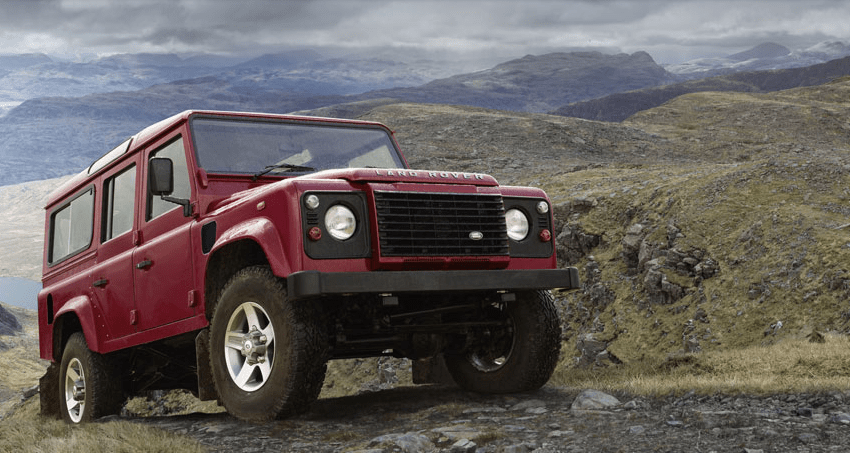
Land Rover Defender

  • Who would drive it? – Farmer types, people who work on the land and want genuine off road ability, will drive it with welly boots on and then hose it out, when the smell gets too bad.
  • What do they want people to think of them for driving it? – That they work on the land, need tough work tools and don’t care much for comfort or refinement.
  • Celebrity Twin? – Oddly, Singer John Meyer drives one, Top gear’s James May wants to be seen in one and so does Charlie Boorman and Ewan McGregor.
  • They may also buy? – Wales or perhaps A Toyota Hilux, but that’s not very British is it?
  • Brand threats – The surf dudes taking over the brand and making it too cool and trendy.

2. Land Rover Freelander 2
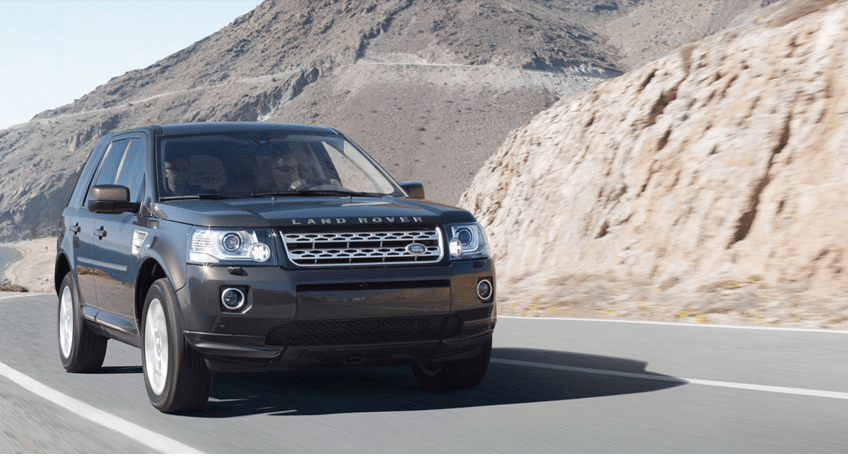
Land Rover Freelander 2

  • Who would drive it? – A light off road user or someone who wants a bit of security for the winter school run at a bit of a bargain price. More of a security seeker than a status seeker.
  • What do they want people to think of them for driving it? – They don’t much care, they like what it does and how it makes them feel (secure) more than they care what people think.
  • Celebrity Twin? – There aren’t any. Celebrities don’t drive Freelanders. But i’m happy to be proved wrong if anyone can find any visual evidence to the contrary.
  • They may also buy? – Anything by Kia or Hyundai or maybe Toyota.
  • Brand threats – Apathy. Does anyone care enough about the Freelander to buy it with more heavily warrantied cars available for less money?

3. Land Rover – Range Rover Evoque
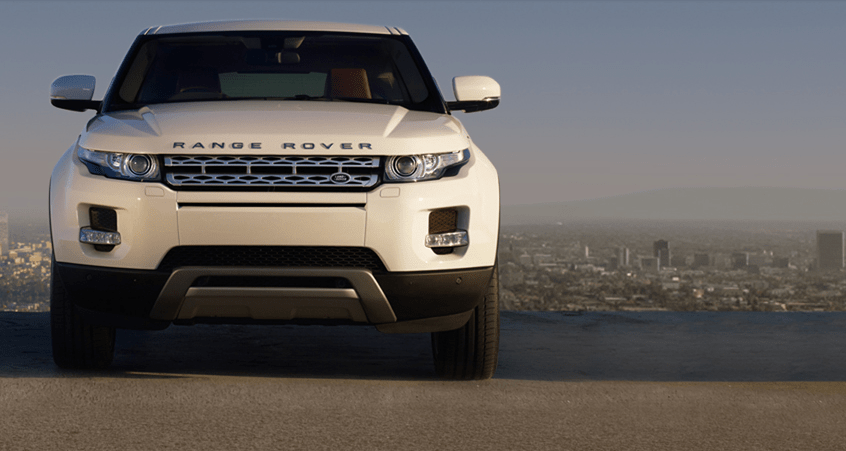
Land Rover  Range Rover Evoque

First thing to notice here is the switch into the Range Rover model names. It’s a distinct step up-market and the first of the status driven models.

  • Who would drive it? – It’s the new showy iPod generation with money. A ridiculous amount of money for a quite simple (but brilliant looking) car. More female than male.
  • What do they want people to think of them for driving it? – That they have arrived. They are the new, new money.
  • Celebrity Twin? – A very clever brand association with Victoria Beckham from the outset positioned it right in the glamorous hot spot.
  • They may also buy? – Mini Convertible, Porsche Cayenne, Audi Q5, BMW X6, Jaguar F Type convertible in white.
  • Brand threats – Overexposure. It’s a very fashionable car and could fall out of fashion as fast as it arrived as soon as the next big celeb is seen in something newer.

4. Land Rover – Discovery 4

Land Rover Discovery 4

Again, it’s not a coincidence that this is a step back out of the range Rover model listing. It’s back to the functionality being foremost and ‘flash’ being the follower attribute.

  • Who would drive it? – Hunting, shooting and fishing brigade, or people who regularly go to Gymkhanas but aren’t so wealthy they could own Belgium if they wanted.
  • What do they want people to think of them for driving it? – That they need a serious off road tool but don’t need the new money status to go with it.
  • Celebrity Twin? – Bear Grylls and Billy Piper (not together obviously).
  • They may also buy? – Toyota Landcruiser but they could consider an Audi Q7 or BMW x5 at a push, but both are more statusy than they prefer.
  • Brand threats – Underinvestment. This is a real range staple and should be very profitable but the risk is in not continuing to develop the product and keeping it fresh enough with clever hidden tech that is expected and others are offering.

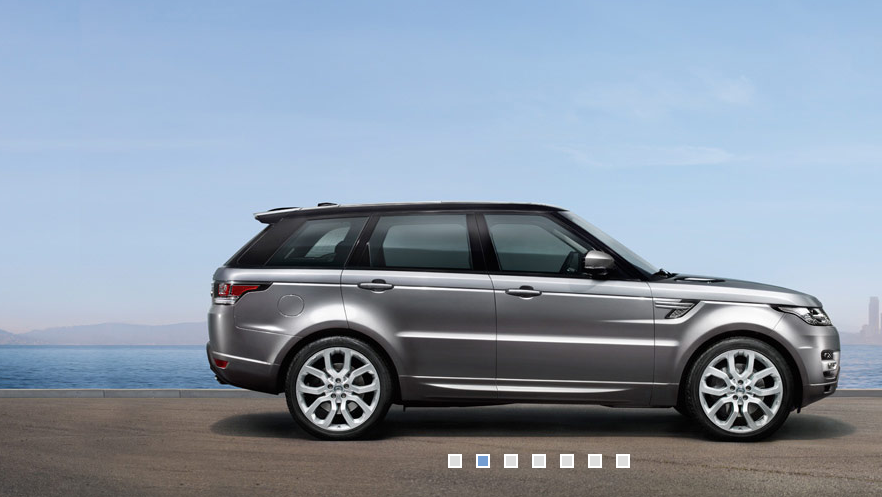
5. Land Rover – Range Rover Sport

Land Rover - Range Rover Sport

This is easily my least favourite model. It’s quite  divisive product and for me harks back to the ‘Loadsamoney’, Wall Street, lunch is for wimps culture of the power crazy 80’s.

  • Who would drive it? – New money through and through. Scrap dealers (there’s a wrapped pink one at the tip where I live), property developers, online entrepreneurs.
  • What do they want people to think of them for driving it? – They’ve made it, they own the road and you don’t/haven’t.
  • Celebrity Twin? – 50 Cent, Rod Stewart(!), Pamela Anderson, Kelly Brook, Stephen Ireland aaaaaaaargh it’s a load of plastic people.
  • They may also buy? – A Lamborghini and have it chromed.
  • Brand threats – Reliability. The people I do know who have had one have all had terrible trouble with them. A new engine costs £10k+ which could economically write cars off even at only 5-6 years old.

6. Land Rover – Range Rover 
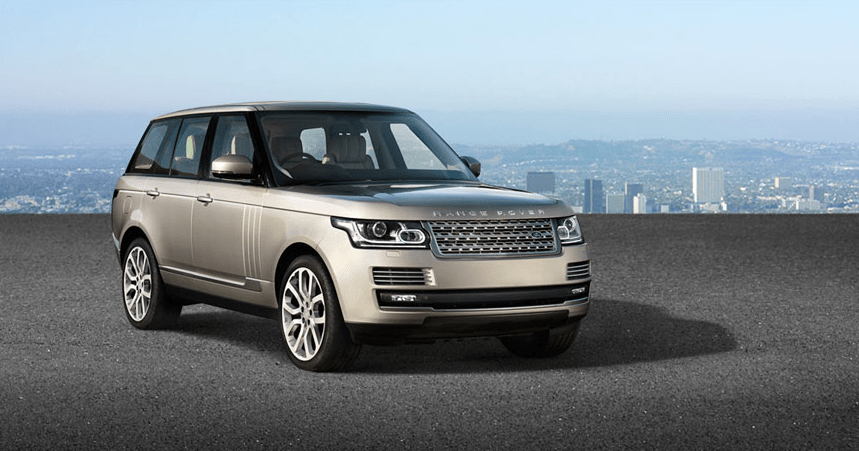
Land Rover - Range Rover

Range Rover, the choice of the really wealthy. Few could doubt that this is anything other than one of the finest cars in the world.

  • Who would drive it? – Old Money, or the seriously rich. It’s for the landowners of old and the genuine landed gentry.
  • What do they want people to think of them for driving it? – They don’t care, they own everything in the world anyway.
  • Celebrity Twin? – Prince Harry, David, Beckham any Lord who hasn’t lost everything on a game of cards .
  • They may also buy? – Belgium, or a Toyota Landcruiser V8.
  • Brand threats – Jordan and the Hip Hop generation owning them and devaluing the sheer plutocracy of the brand. And again, reliability.

So what would I buy?

A Mercedes.

Read into that what you like.

Jamie Oliver in Boots – And then he rolled over

It was a good effort, but for me was doomed from the start. Jamie Oliver in Boots. More about volume than brand alignment.

It’s a bit like Asda selling Bose, Bentley or maybe a premium food range by Heston Blumenthal. The brands just don’t connect and their audiences have almost no overlap, so they are doomed to fail from the start. The danger for the premium brand is that it becomes tarnished by hanging out with the cheaper one.

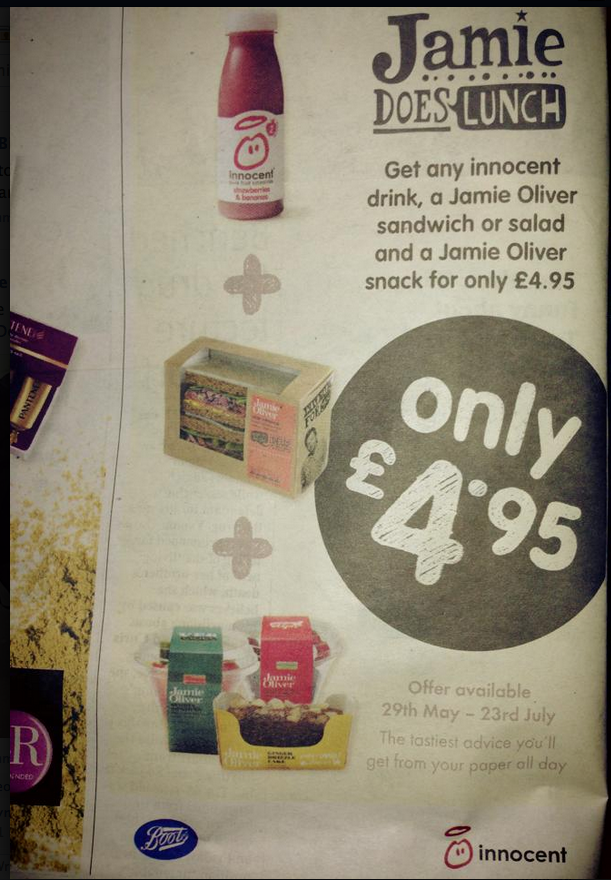
A while ago I predicted they would need to include it in the Boots meal deal for it to succeed. And then more recently, they blinked and made a mini meal deal with an alignment with Innocent – which was a good thing.

And now they have gone one better (cheaper) again and made a real meal deal with a drink and a snack for the fixed price of £4.95. This is almost as cheap as some of the sandwiches on their own. It may be a last roll (or salad) of the dice, but it does feel like an important price point to have ducked under and for me is now far more likely to succeed. What it will do for the long term brand equity of Jamie Oliver is less sure, but it’s a step downwards that will be very hard to recover from.

Jamies does (cheap) lunch via the meal deal at Boots

Thanks for the picture Leo.

A bit of a problem for the Abercrombie and Fitch brand

When you set out to create a brand you can design in certain criteria. By pricing it high, you exclude certain buying groups, by not even making XL sizes for women, you naturally exclude the larger ladies. They also place ‘beautiful people’ in a state of undress outside their stores as greeters. These decisions form the basis of the whole brand and who you target and appeal to. I am far to old/fat to be in their target audience (but so is their own MD!) and I am now quite proud to say I have never owned any of their products.

Mike Jeffries Abercrombie and Fitch Managing Director
Mike Jeffries Abercrombie and Fitch Managing Director – looking a little like a bad advertisement for facial surgery – and certainly not in his own target audience

But Abercrombie and Fitch have taken this brand separation to a new level by destroying all damaged or returned goods rather than giving them to the homeless, as many other brands do. All very deliberate and all very elitist. the assumption being that seeing homeless people in A&F would embarrass their own beautiful customers.

But here comes the brand backlash. 7.5 million views in less than a month, and growing fast. Watch this space. It may be the next Gerald Ratner moment for the A&F brand.

Brand experience by Disney

Selena Gomez and Mickey Mouse hugging
Selena Gomez and Mickey Mouse hugging and creating a memorable brand experience

As i’ve said before, brand experience is about caring enough to control the tiniest details of your brand and how it is perceived by your customers.

Well, I heard a Disney detail that I loved recently, which you may not have noticed before and it’s perfect and tiny. If  as an adult or child you hug Mickey Mouse, he will not let the hug go before you do. Think about it. It’s really clever. If a child gets the perception that Mickey needs to move on, they would be devastated. Mickey would then become a character, or worse still, someone doing a job and not their friend. They need Mickey to be seen as a friend for as long as possible and caring about the hug, could be enough to keep it going for longer.

There was another great detail I heard too, which was that if someone shouted ‘Andy’s coming’ near any of the Toy Story Characters they would throw themselves on the ground and play dead. This would have been massively open to abuse but perfect. Sadly it’s been debunked as a myth.