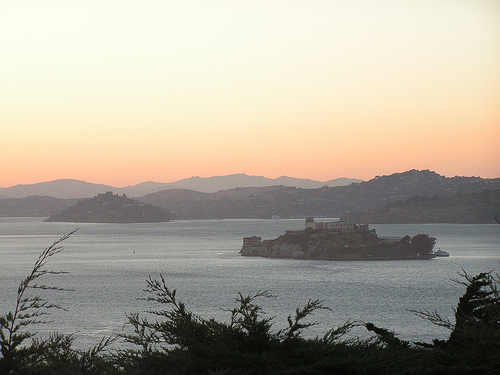
If you have any doubt that brands can be in any shape or form, then think of Alcatraz.
What do you see in your mind?
A chunk of rock that is nigh on impossible to escape from.
I see the word Alcatraz and I see the film from 1979 “Escape from Alcatraz” with Clint Eastwood and imagine the ‘Birdman of Alcatraz’ from 1962 – even though this is (a long way) before I was born.
So Alcatraz stands for security and impenetrability and maybe a touch of glamour – because of the film associations.
Branding puts markers in our heads about what we can expect, so as soon as we hear their name, we don’t need to process our thoughts, we just skip straight to our embedded thought.
We know its impossible to swim away from because of the currents and it doesn’t look that nice to cycle around, so if you can do these first and then go out for a run, you’re a better man than me!
Good luck Julian, you’ve got us behind you and a huge powerful brand against you. You can read Julian’s thoughts on his adventure here.
Alcatraz - A brand in its own right that just screams impenetrability
Thanks for the picture, which is by Matthias Orgler, whose work can be seen here.
As an update, if you have any doubt at all that the Alcatraz Triathlon is very tough, Julian has updated his diary and you can read the ‘after race’ story here.
Alcatraz may be tough, but for Julian at least, it didn’t break him, just dent him rather heavily.
In the UK, for an average packet of 20 cigarettes, you would pay around £5.66 per pack. The tax element of this is £4.33, which is a 77% tax burden
If you had any doubt at all, in the value of a brand, you only need to look at two rival brands and the costs they can get away with charging side by side.
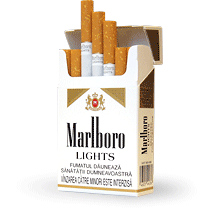
Marlborough Lights sell for around £6 per pack, which gives them a gap after tax of £1.67 or 27.8% and this is the one true ‘Lovemark’ brand within the sector – ie people seem to love it beyond all reason as they will pay a massive premium to be seen with this pack about their person.
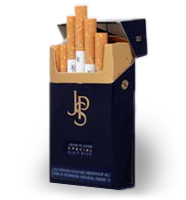
Compare that to John Player Special Blue, which as a young boy I started smoking behind the bike sheds, which now retails for around £4.50. Unless they are paying a very different level of tax on this, they have only got 17p worth of margin left with which to make, distribute and share profit with the retailer.
Hardly a moneyspinner, is it?
Who in their right mind wanting to look uber cool would consider being seen with anything else but the Marlborough’s? – Despite the fact they are an almost identical product and 33% more expensive.
During the 70’s JPS was a heavily promoted brand, but was left to die in peace through lack of investment in the core of the brand. It now it seems to have snuck quietly back onto the market.
Surviving on that tiny margin would seem to be impossible, but it does reinforce the power of a really strong and well loved brand like Marlborough.
JPS Blue - your bargain price badly branded cigarette Marlborough Lights - Your over priced brilliantly branded cigarettes
Over the course of the last year or so, I wrote a book called Bottled Spunk – Its all about branding, and how it impacts, how it works and how to create your own. I haven’t yet got around to looking for a publisher, so I thought I would publish the introduction on here to see whether there was any form of market for it and to see what people’s initial reaction was.
If I get some good comments. then I’ll either publish the full text on here or go out and look for someone to help me take it to market. It’s 20,000 words and in truth has taken me about 20 years of research to get to this draft. So here goes..
1. Bottled spunk anyone?
In February 2004, worried by the success of their Rival Pepsi’s purified water product called Aquafina, Coca Cola felt they were being left out of the fast growing and extremely profitable bottled water market. So, after a great deal of studying the market, hundreds of thousands of pounds poured into research they launched Dasani Water to the UK, expecting a similar success to that which greeted its US introduction.
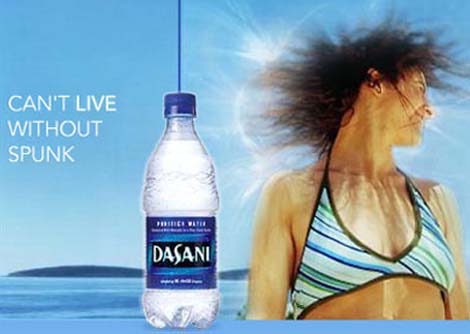
With this successful launch under their belt, they took the decision to recycle the marketing campaigns that had worked so well on the other side of the Atlantic. But in an incredible oversight on the language front, they directed their eager public to their US website. On the front of this was a bikini clad lady, next to a bottle of Dasani water, shaking her wet hair with the slogan ‘Can’t live without spunk’
Can't live without Spunk? Hmmmm, I think I can!
The concept of ‘bottled spunk’ for the advertising and for any mainstream consumer website may not have absolutely universal appeal.
Testing potential issues with a brand name throughout the world is the work of experts, checking a slogan such as this would seem to be a fairly simple exercise – particularly with the might, budgets and brains of Coca Cola behind you. All this work and they failed to spot that in the US, spunk has a rather different meaning – and possibly taste!
Now they may have survived one mistake, but even after that rather shaky start, things still got worse.
A few weeks into the launch, The Grocer magazine happened to note that the water was taken from a commercial water supply in Sidcup, Kent that had been filtered. In effect it was nothing more than tap water. The claims were that because of their secret filtration process and adding of vitamins and minerals, it was particularly pure – even if it wasn’t actually spring water.
The proximity to Peckham could not be missed by the tabloids and they cited the similarity to the Peckham Spring Water that Dell Boy attempted to make famous in one episode of Only Fools and Horses.
Perhaps they could have survived two big mistakes?
But then, to make matters worse again, trading standards got involved to investigate their claims of purity and discovered traces of bromate – a potential carcinogenic that had been banned in some countries.
All the glossy packaging and advertising budgets in the world cannot hide a lie these days. The truth will out.
Our tap water in the UK is 99.96% clean and is the best in any developed nation in the world, according to latest OFWAT figures and costs 0.2 pence per litre. Theirs cost over £1, tasted the same, but could actually be more detrimental to your wellbeing.
When the press outed them, Coca Cola were forced to recall over 500,000 bottles and remove the product from sale only 38 days after they launched. They were left with lots of egg on their face, a redundant factory and a £7m waste of advertising money.
Worse than this, the story ran throughout most of mainland Europe, so planned launches to the lucrative markets of Germany and Spain were both shelved before they ever even began.
If it had been one thing, they still stood a chance, two and it was going to be more tricky, but with mistakes piling up around them, they were left with an impossible situation that only left them with retreat as an option.
Coca Cola are one of the most exceptional brand owners in the world and still made these mistakes by underestimating the global power of brands and the world we now live in where information is instant and worldwide. It is what economists describe as an almost perfect market. It is changing everything we do with brands and you need to work within the opportunities and restrictions it presents.
All of these mistakes could (and would) have been prevented by applying some of the simple rules that we lay down in this book.
What we’re going to show here, is how simple it is to begin to build an exceptional brand for yourself.
We’re going to show you what does and doesn’t make up a brand.
Then give you some simple examples and a step by step procedure to follow to create your own.
We’ll introduce you to the golden rules of what you can and can’t do with a brand and show you where some have taken their brands to the brink, only to save them at the last minute.
And show what some of the best (and worst) examples in the world can teach us about the strange and mysterious art of branding.
I have to say, I love Twitter, I may even be a Twitterholic.
Okay, my name is John and i’m a Twitterholic.
I also love Threadless. The community based T shirt company that is run as a profitable democracy where the best designs rise to the top and almost anyone can contribute their work if they fancy themselves as a bit of a design guru in the making. Teepay is also making a play for the democratic design space and our good friend Will from Nzime was the second one to get his shirt produced. Its reached the end of its life cycle so is now officially a limited edition item. You can see it here though.
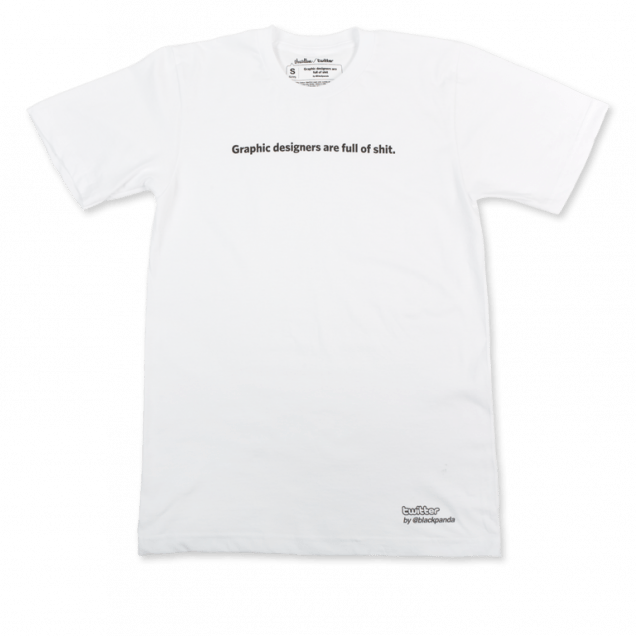
I am also a rather big fan of graphic design, but have run into many of them over the years who, to coin a phrase, are full of shit.
So, imagine my absolute delight when I saw a link from Twitter, to Threadless with a ‘branded’ range of Twitter based T Shirts. There’s a few that play to your ego, but this on eis my absolute favourite and I just have to have it. When it arrives, i’ll model it (in a chubby bald model sort of way) for you all to see.
A lovely new shirt from Threadless
If you like it too, you can buy it here, just let me know when you are going to wear it so we don’t have some embarrassing ‘wearing the same T Shirt’ moment.
Ryanair today announced a large drop in their full year profits which are down 78%. After adjustments (which seems to be an accounting term used for trying to make things look better) they have actually posted a loss of £145.9 Million. They argue that this is all due to a revaluing of their investment in Aer Lingus but for us, this is more to do with the contemptuous way they are treating their brand and their customers.
Ryanair claim they offer many of their flights free, but yet they are still an unloved brand that many of us choose to use through lack of alternative rather than through active and positive decision making. At 20.30 and 20.31 last night two flights left Malaga bound for East Midlands Airport. Two different carriers flying the same route at the same time, which would you say was the busier?
Ryanair is a brand that is all based on price. You expect them to be slow, late and unpleasant and barely functional (even though they actually have a very good record for timekeeping), but you put up with a lot whilst the price is low. If the price rises, you will actively seek out alternatives. Now, in our opinion, many people actively dislike Ryanair.
Conversations with Michael O’Leary, the outspoken chief of the airline business, on the BBC about possibly charging people to use their toilets whilst in mid air hardly endear them to the very people they are asking to pay to fly with them.
In a poll by Tripadvisor of 4,000 of its members in 2006, were the least popular airline – an unwanted accolade they have gone on to retain in 2007 and 2008. In theory, people would therefore not use them. But their continued growth since then has proved that, whilst the price is right, people will still travel with them.
Maybe this drop in profits is the sign that their contemptuous treatment of customers and having a brand that stands for ‘tricking’ customers into paying more is one that is just not sustainable.
Michael O’Leary was talking recently on German TV about potentially offering long haul flights and what their version of business class could stand for. You can view that here, but watch out as he speaks less than politely.
In an interview this morning for the BBC, he said that their continued growth proves that Business Class is dead (as an obvious dig at British airways), but which is it to be? Blow Jobs on Business Class or sticking to their low cost, low service model?
With any brand, you have to decide what makes you different and then deliver it beautifully and consistently in every single way. Ryanair certainly deliver consistently, but beautifully, I think not.
I know who I’ve booked my family holiday flights with in the summer and it isn’t Ryanair.
Ryanair claim they offer many of their flights free, but yet they are still an unloved brand that many of us choose to use through lack of alternative rather than through active and positive decision making. At 20.30 and 20.31 last night two flights left Malaga bound for East Midlands Airport. Which would you say was the busier?
Ryanair is a brand that is all based on price. You expect them to be slow, late and unpleasant and barely functional (even though they actually have a very good record for timekeeping), but you put up with a lot whilst the price is low. If the price rises, you will actively seek out alternatives. Now, in our opinion, many people actively dislike Ryanair.
Conversations with Michael Ryan, the outspoken chief of the airline business, on the BBC about possibly charging people to use their toilets whilst in mid air hardly endear them to the very people they are asking to pay to fly with them.
In a poll by Tripadvisor of 4,000 of its members in 2006, were the least popular airline – an unwanted accolade they have gone on to retain in 2007 and 2008. In theory, people would therefore not use them. But their continued growth since then has proved that, whilst the price is right, people will still travel with them.
Maybe this drop in profits is the sign that their contemptuous treatment of customers and having a brand that stands for ‘tricking’ customers into paying ore is one that is just not sustainable.
Michael Ryan was talking recently on German TV about potentially offering long haul flights and what their version of business class could stand for.
You can view that here, but watch out as he speaks less than politely.
In an interview this morning for the BBC, he said that their continued growth proves that Business Class is dead (as an obvious dig at British airways), but which is it to be? Blow Jobs on Business Class or sticking to their low cost, low service model?
With any brand, you have to decide what makes you different and then deliver it beautifully and consistently in every single way. Ryanair certainly deliver consistently, but beautifully, I think not.
I know who I’ve booked my family holiday flights with in the summer and it isn’t Ryanair.
Simple question really, but so many people seem to have a misguided opinion on what the answer is.
For us it’s a mark of distinction, it’s a promise of consistent quality, it’s way of speaking and it’s a guarantee that a service or product will be delivered in a way we expect.
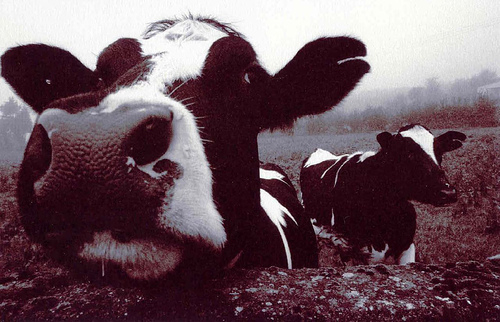
But if it’s a mark of distinction, then isn’t this the same as the original term for branding? You know the one – where you put a big stamp on the side of a cow to show you own it and its part of your ‘tribe’ or herd.
Cows are for branding, Brands are for people
Sticking marks on the side of cows was obviously where it started, but now people who wear overtly branded clothes, shoes and hang out in branded retailers are doing the same. They are saying they are part of the same branded ‘tribe’ or herd’ as everyone else with the same brand.
For us, this is a slight problem. Just putting big logos on things is not branding, it’s putting big logos on things. Creating a product that people want to be seen wearing or participating in, so others can see them doing it, is real branding – and its where the future lies.
I was given a ‘corporate gift’ this morning. A business card holder with a huge logo on the side and it is hideous. Not just too big and bulky to work a business card holder but of really nasty quality. How does this reflect on the quality of the client’s inward investment service? What is says to me is that they do things on the cheap, they cut corners and are happy to accept shoddy stuff to hang out with their brand and will only serve to damage their long term future. If you gave 1,000 of them out, no-one who you would want to be seen using it would ever dream of being seen using it. It’s that bad.
If, what you are doing, makes them feel good, then keep doing it. If, as Martin Lindstrom argues in his book Buyology, it causes us to think of interruption, annoyance and the wrong type of herd mentality like the Nokia ringtone that we all hate, then stop immediately.
Margate, fresh from its appalling rebranding attempts on The Apprentice is most definitely fighting back.
I wrote this article last week and found myself defending the place quite vigorously.
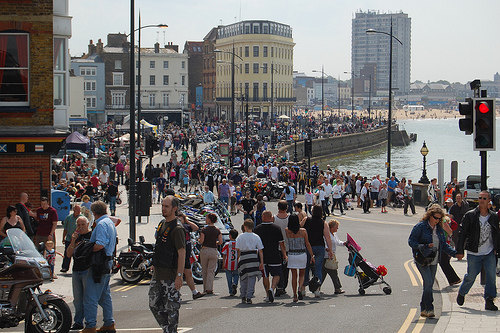
By way of follow up, I have just spoken to a very helpful ‘spokesperson’ at the Tourist information centre and they report that the town was absolutely packed this weekend with thousands of families looking for the type of break that Kate’s team were promoting.
I think there are a few things to learn from this. The first is that the opposite of love isn’t hate. It’s apathy and maybe many of us had got a little apathetic about Margate and British resorts in general. Maybe this programme forced many to look again at their own prejudices and get down there and judge for themselves?
The second and perhaps most important point is that in our own experience of place branding, you need a catastrophic event to start the fight back. There were so many people being negative about the place generally that those of us who have lived there and loved it, stand up and shout back at those who put it down – particularly those who have never even been there.
This has happened in Liverpool, where there is huge civic pride from almost all who have lived there. We saw the same happen in Nottingham when we went through the rebranding process there and maybe the same is starting to happen in Margate.
Margate Old Town is beautiful, the Turner Centre should be spectacular and bring in a whole new audience to visit the shops, cafes and bars of a regenerated town without all the homogenised high street stores we see in every other town and city the world over. If Margate dares to be different, it has a chance to succeed. If it bottles it and homogenises it deserves to fail.
Rebranding any place in isolation will achieve absolutely nothing. Using it as an excuse to show people you have changed and will behave differently going forward has the potential to really work. This applies to ANY brand, be it place, product or service.
A busy Bank Holiday in Margate
Thanks for the shot which is from Blood Oaf on Flickr. See his excellent work here.
There’s a lot to learn from this book, not least of which is the fact that conventional research as a predictor of potential buyer behaviour is on the verge of useless. What we say we will do, buy or watch is barely related to what we do in reality.
But our brain never lies.
Through a series of experiments, involving complicated brain scans, Martin Lindstrom proves that the only way to truly tell what we are most likely do in any given situation is ask a question and watch how our brain reacts.
A few other blindingly brilliant points that come out of this study for me.
The Nokia tune is really irritating and is having a negative effect on the brand, causing a ‘grinding down’ effect that is causing people to feel less comfortable when they hear the well known sound. But this is not the case with many other sonic brands that can cause a more beneficial effect on brand recognition and trigger positive reactions.
Sex doesn’t sell in advertising. Men see the sex and forget the brand, women tend to look at the woman for who she is and if they like them, there may be a positive effect, but more likely they just see the person and again forget the brand.
Branding that really works causes an almost religious like fervour in some of us. If we start thinking about how we can build our brands as religions then we have a better chance of understanding it form the consumers viewpoints. This doesn’t feel that different to Kevin Robert Lovemarks work but the fact that it is backed up with brain scan research, does add a huge degree of validation.
Overall, this is a great book that is pretty easy to follow, incredibly well researched and covers a lot of ground in an interesting way. It feels to be the biggest step forward in understanding buyer behaviours since the 1957 book by Vance Packard called Hidden Persuaders that I remember well for its utterly simplistic view on what causes impulse buying (as I studied this as part of my degree all those years ago)
Another best seller from Martin Lindstrom. Buy It here.
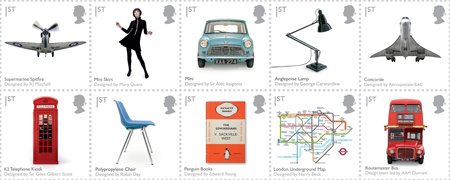
My clever colleague at Purple Circle, Abi Jackson has written a rather nice little blog post about branding in the world of stamps. Have a look at it here.
It’s one of those areas that you maybe don’t notice there is branding even going on, but the Royal Mail have been quietly doing it for years and there have been many beautiful examples ranging from the current UK theme of Plants (Action for Species) right through to Victoria Cross winners back in 2006. All have real design integrity, because you have to work so hard to design something that beautiful in such a small space and still get the salient information across.
In the US now you can even get Simpsons stamps to celebrate their 20 year run. It was selected as a subject from over 50,000 suggested themes. They are officially sanctioned stamps launched by the USPS and they even ran a vote so that people could select their favourite.
Its hard to deny that we all write fewer letters than we used to, but integrating brands into postage stamps could be a lovely way to get kids interested again. If there were Everton FC stamps, my son would find excuses to write to people. 90210 (didn’t this used to be Beverley Hills 90210 – before it got rebranded?) stamps would get my daughters pen up off her desk and into her hand.
Perhaps we should have Bob the Builder ones, that are subsidized by the brand owner to get kids writing, or maybe even the best postage stamps in the world by Carlsberg, or even McStamps by you know who?
Just a thought, but it does seem a good way to raise revenue for the Royal Mail AND engage with new audiences.

 Johnny Lyle's new brand thinking